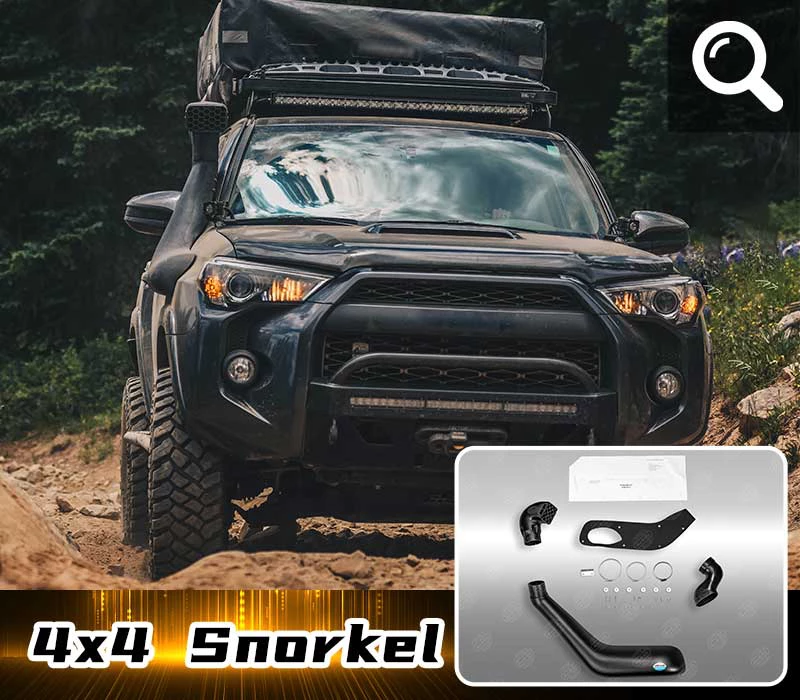
Cheap eBay Snorkels vs. Name Brand
Is the $400 Difference Worth It?
We analyze the build quality, UV resistance, and installation risks of generic clones versus authentic brands like Safari or ARB. Plus: The definitive guide to Stainless Steel vs. Plastic.
It is the classic dilemma of the budget-conscious off-roader. You see a genuine Safari Snorkel or ARB kit listed for $500–$600. Then, you open eBay or Amazon and see a visually identical "Generic 4x4 Snorkel" for $89 with free shipping.
The temptation is overwhelming. For the price of one brand-name unit, you could buy five cheap ones. They look the same in the photos, so what are you really paying for? Is it just the logo, or is there a fundamental difference in engineering?
In this guide, we strip away the marketing to look at the raw materials (LLDPE), the risks of installation, and the long-term durability of your choice.
1. The "eBay Special" vs. Name Brand
To understand the difference, we need to look beyond the shape of the molded plastic. The difference lies in three key areas: Material Chemistry, Template Accuracy, and Sealing.
$80 - $120
The "eBay Copy"
- Recycled Plastic Mix (Unknown Purity)
- Poor UV Stabilization (Fades Quickly)
- Paper Templates often inaccurate
- Rust-prone mounting hardware
- Brittle hard plastic (Cracks on impact)
$450 - $650
Genuine Brand (Safari/ARB)
- 100% Virgin Industrial LLDPE
- UV20+ Rated (Years without fading)
- Precision Engineered Templates
- Stainless Steel Hardware included
- Flexible memory (Bounces back)
2. The Science: Why Cheap Snorkels Turn Grey
The most common complaint about unbranded snorkels is that they turn from black to a chalky grey within 12 to 18 months. This isn't just cosmetic; it's structural.
Virgin LLDPE vs. Recycled Mix
Premium manufacturers use Virgin Industrial Grade Linear Low-Density Polyethylene (LLDPE) compounded with high-grade carbon black for UV stability. This material is designed to withstand the harsh Australian or American sun for decades without breaking down.
Cheap copies often use recycled plastics or lower-grade polyethylene with insufficient UV stabilizers. Once the UV rays break the chemical bonds, the plastic becomes brittle. In the off-road world, this is known as the "Cracker Test"—hit an old cheap snorkel with a branch, and it shatters like a cracker. A quality LLDPE snorkel will absorb the impact and flex back to its original shape.
3. The Template Risk: Don't Ruin Your Fender
WARNING: The "Measure Twice" Rule
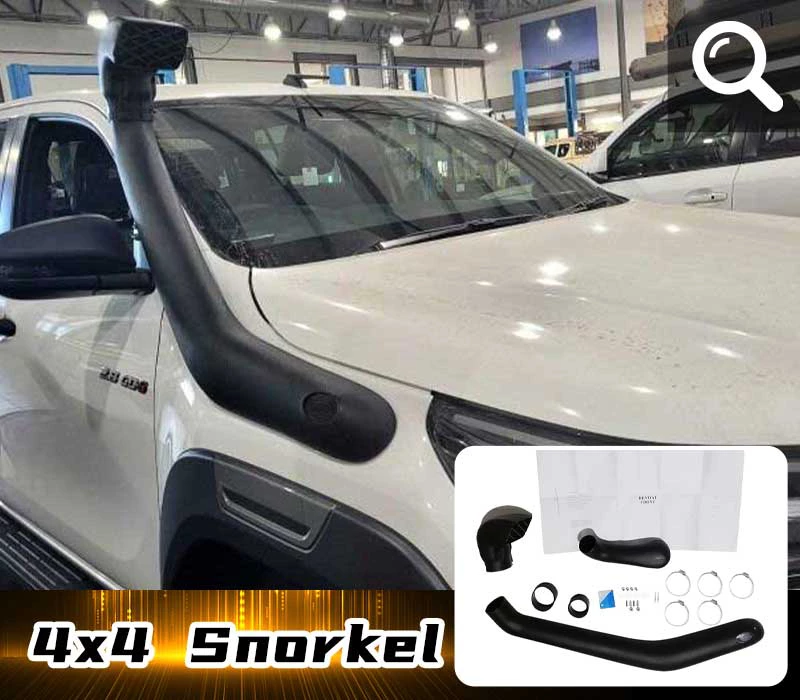
The single biggest risk of buying a knock-off snorkel is the Installation Template. This is the piece of paper you tape to your car to decide where to drill the giant 4-inch hole.
Name-brand companies spend thousands of dollars on R&D to ensure their templates match the vehicle's body curves perfectly. eBay clones are notorious for having photocopied templates that are distorted or slightly "off."
If the template is off by even 5mm, the snorkel body won't align with your A-pillar, or the bolt holes won't match the inner guard. We have seen countless horror stories where owners drilled holes in their fenders based on a cheap template, only to find the snorkel didn't fit. Fixing a hole in a fender requires a body shop and thousands of dollars—far more than the money saved on the part.
4. The Aesthetic War: Stainless Steel vs. Plastic
If you've decided to invest in quality, you now face a second choice: Traditional Plastic (Safari style) or Custom Stainless Steel?
Stainless steel snorkels are trending heavily on social media. They look aggressive, custom, and industrial. But are they better than plastic?
Stainless Steel Snorkels (The "Instagram" Choice)
[Image Comparison: 4" Seamless Stainless Snorkel vs. Standard Plastic]
Pros:
- Durability: 304 or 316 Marine Grade stainless steel is virtually indestructible against corrosion (if coated properly).
- Airflow: A 4-inch diameter pipe offers massive airflow volume, often better than restrictive plastic shapes.
- Sound: The metal resonates with the engine intake. You will hear the turbo spool and the "induction roar" much louder. For enthusiasts, this is a pro.
Cons:
- Resonance & Noise: That same induction roar can become a drone on long highway drives. It is significantly louder inside the cabin than plastic.
- Damage Transfer: Steel is rigid. If you hit a heavy tree branch, the snorkel won't break—it might rip the mounting bolts right out of your fender, causing body damage.
- Heat Soak: Metal conducts heat faster than plastic, potentially warming the intake air slightly more in direct sunlight (though the airflow speed usually negates this).
Plastic / LLDPE Snorkels (The "Overland" Choice)
Pros:
- Quiet: The thick plastic insulates intake noise, keeping the cabin quiet.
- Impact Absorption: Designed to flex and bounce off obstacles in tight trails.
- Factory Look: Blends in with the vehicle's trim for a cleaner, OEM appearance.
Cons:
- Aesthetics: Can look bulky or generic.
- Degradation: Even good plastic can eventually fade after 10-15 years, whereas stainless can be re-polished or re-painted.
5. The Verdict: Which One Should You Buy?
Our Recommendation
Buy the Cheap Snorkel IF: You drive a beater rig, you are extremely handy with fabrication (can fix bad templates), and you don't mind replacing it in 2 years when it cracks.
Buy the Name Brand IF: You plan to keep the vehicle for years, you want a stress-free installation, and you actually travel to remote areas where equipment failure is not an option.
Buy Stainless Steel IF: You want the custom look, you love turbo noise, and you do more open-terrain touring than tight, wooded technical trails.
Frequently Asked Questions
Can I use a genuine template on a fake snorkel?
Sometimes, but don't count on it. The casting molds for the cheap snorkels are often slightly different sizes than the genuine ones. The bolt studs might be in slightly different locations.
Does a snorkel increase horsepower?
Minimally. While the "Ram Air" effect is real at highway speeds, and cooler air is denser, you might see a 1-3% gain. However, a snorkel is primarily for protection, not performance tuning.
What is the best material for a snorkel head?
Look for a "Ram Head" with a water separation grid. Some cheap snorkels have heads that actually scoop water in during heavy rain. High-end heads are designed to channel rain out the back of the head before it enters the pipe.
Don't Risk Your Engine
Explore our selection of Lifetime Warranty LLDPE and Custom Stainless Snorkels.
Shop Premium Snorkels