Do I Really Need a Snorkel?
The Truth About Water Crossings & Dust Protection
Thinking about installing a snorkel on your 4x4? Discover the real benefits beyond deep water crossings. We analyze the water vs. dust debate, engine protection, and whether the investment is worth it.
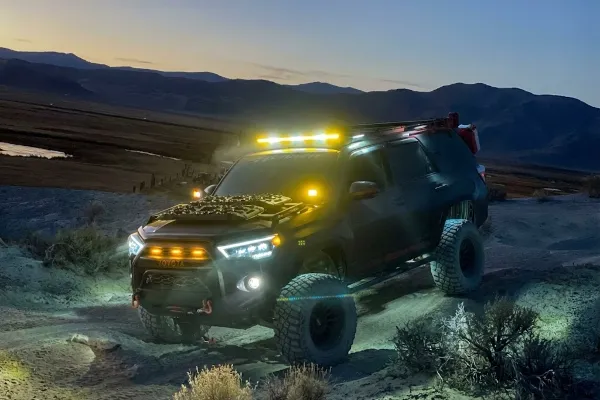
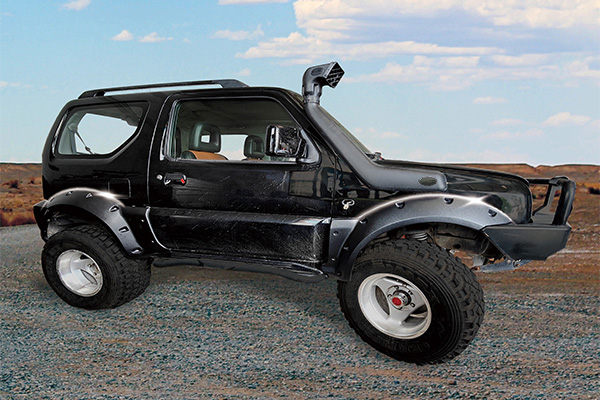
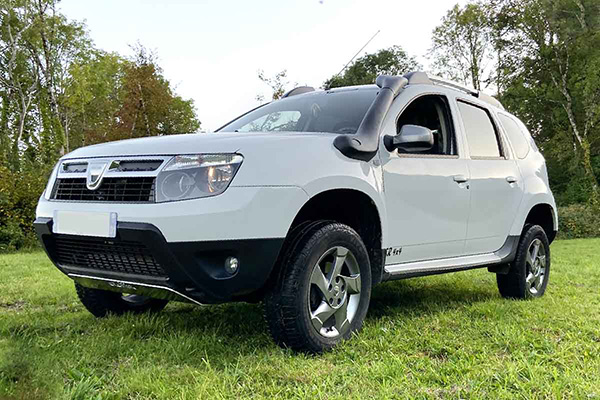
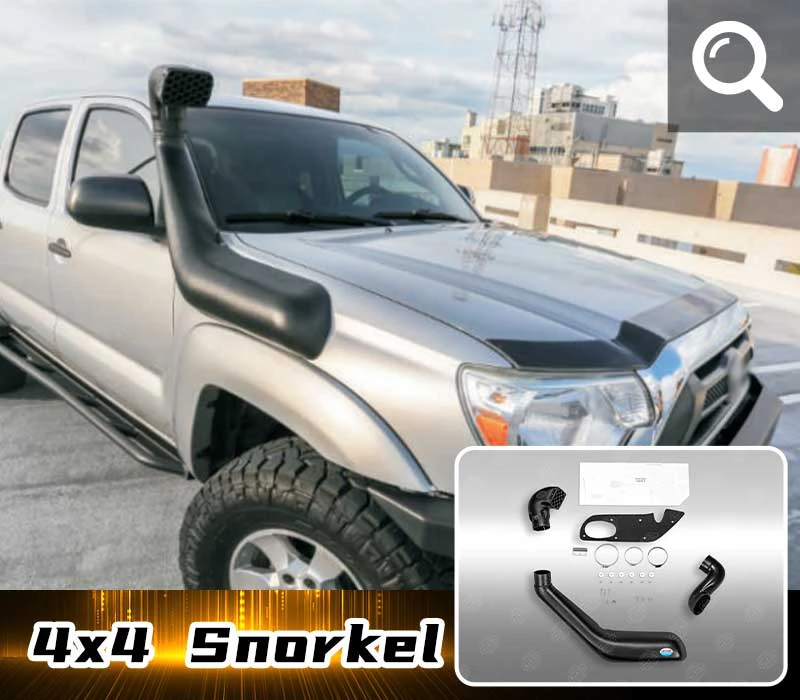
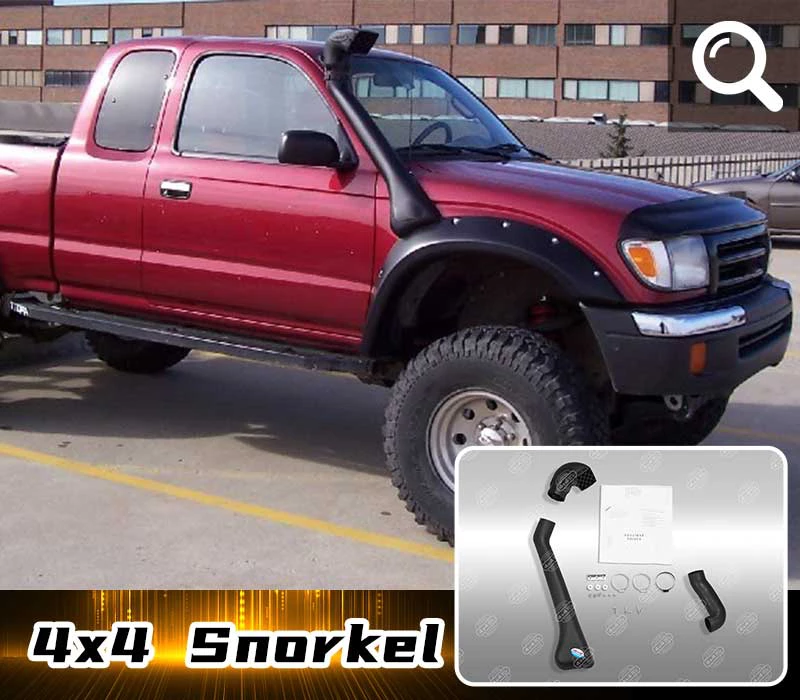
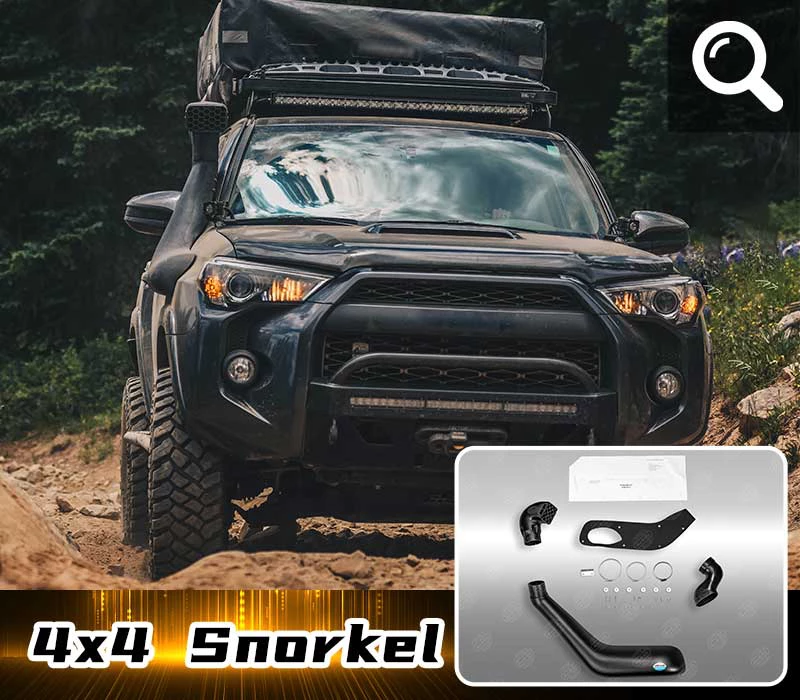
If you scroll through Instagram or YouTube searching for "Overland builds," there is one accessory that appears on almost every rig: the snorkel. Rising from the fender and tracing the A-pillar to the roofline, it has become the defining silhouette of the modern adventure vehicle.
But for many 4x4 owners, the "Raised Air Intake" remains a controversial upgrade. It requires cutting a permanent hole in your vehicle’s fender—a commitment that scares off many weekend warriors.
The Ultimate Purchasing Question: "Is it just for deep water, or does it actually help with daily driving?"
2. The "Submarine" Myth
Before we discuss why you should buy one, we must address the biggest misconception in the off-road community: Installing a snorkel does not turn your vehicle into a submarine.
[Image Placeholder: 4x4 Vehicle Crossing River - Alt Text: Off-road vehicle water crossing with snorkel]
Understanding Hydrolock
The Science: If water enters the air intake, it gets sucked into the combustion chamber. Since water cannot be compressed, it causes immediate mechanical failure (bent rods, shattered pistons).
The Reality: A snorkel raises the air intake to prevent this, but your electronics, transmission, and differentials are not waterproof. A snorkel is an insurance policy, not a license to dive.
3. The Real Hero: Dust Protection
If you ask a veteran overlander why they have a snorkel, they likely won't say "river crossings." They will say "Dust."
The "Wheel Well" Problem
On most stock SUVs, the air intake is in the inner fender. When driving on dirt roads, your front tires kick up a massive cloud of heavy dust directly into this intake.
The Snorkel Solution
Dust has mass. Heavy particles hover low to the ground. By sourcing air from the roof, you pull from a zone above the heavy dust cloud. This keeps your air filter cleaner for longer, protecting your engine from suffocation and internal wear.
4. Cold Air Induction
There is also a performance argument. Under-hood temperatures can be scorching. A snorkel acts as a true Cold Air Intake (CAI), pulling ambient air from outside the vehicle before it is heated by the engine bay. Cooler air is denser, leading to better combustion and slightly improved throttle response.
5. Material Comparison: Steel vs. Plastic
Once you decide to buy, you face a style choice: Stainless Steel or Polyethylene.
Polyethylene (Safari Style)
- OEM Factory Look
- UV Stable & Impact Resistant
- Usually Quieter
- Generic Appearance
- Can look bulky
Stainless Steel (Custom)
- Incredible Aesthetic
- Extremely Durable
- Enhances Turbo Sound
- Louder Cabin Noise
- More Expensive
6. The Downsides
To give a balanced view, why would someone choose not to install one?
- The "Point of No Return": You must cut a hole in your fender.
- Wind Noise: Can create turbulence at highway speeds.
- Snag Hazard: Can catch branches in tight woods.
- No Automatic Car Washes: The brushes can rip it off.
7. Conclusion: Making the Decision
You DO NOT need one if:
- You only drive on pavement.
- You are terrified of cutting your car.
- You value a perfectly silent cabin.
You DO need one if:
- You live in/travel to dusty regions.
- You cross water deeper than your bumper.
- You drive in convoys (dust clouds).
- You want the "Overland" aesthetic.
8. FAQ
Q: Will rain enter my engine through the snorkel?
A: No. Most snorkel heads are designed with water separation channels to drain rain before it enters the pipe.
Q: Does a snorkel void my warranty?
A: Generally, no. However, a botched installation causing rust or leaks could lead to denied claims for specific failures.
Ready to Upgrade?
Browse our catalog of high-quality Stainless Steel and Polyethylene Snorkels.
View Snorkel Catalog